 Skip to Content


What Should Florida Businesses Should Do After a Customer Injury?
 By Steven Gendreau, Esq.
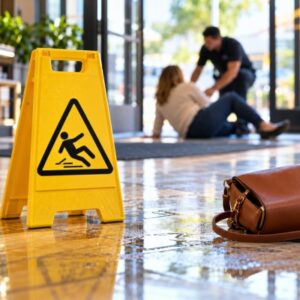
An accident at a business can happen quickly. A customer falls near an entrance. A guest trips in a parking lot. Someone is injured in a common area. Within minutes, employees may be helping the individual, customers may be taking photographs and surveillance cameras may be recording over footage that could later become important.
What a Florida business does immediately after an accident can affect its ability to understand what happened and respond if a premises liability claim follows. Having an incident-response plan in place before an accident occurs can make a significant difference.
Address Immediate Safety Concerns
The first concern should be the immediate situation. If someone requires medical assistance, employees should follow the company’s procedures for obtaining appropriate help. If a dangerous condition remains at the scene, the business should take reasonable steps to prevent additional injuries while also documenting the condition when appropriate.
Employees should know in advance who is responsible for managing an incident and who should be contacted internally.
Document What Happened
Memories fade, employees change jobs and physical conditions can change quickly. An incident report prepared close in time to an accident can help preserve basic factual information.
Depending on the circumstances, useful information may include:
- the date, time and location of the incident;
- the condition of the area;
- names and contact information for witnesses;
- employees who were present;
- photographs of the location; and
- actions taken after the incident.
Incident reports should focus on objective facts. Employees generally should avoid speculation, conclusions about fault or statements about what they believe caused an injury unless they actually observed what occurred.
Consider the Evidence That May Disappear
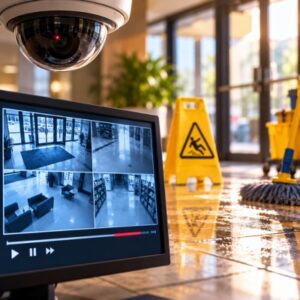 Some of the most important evidence in a premises liability matter may exist for only a short time. Surveillance footage is an obvious example. Many businesses use digital systems that automatically overwrite recordings according to preset retention schedules.
Other evidence may also change or disappear. A spill may be cleaned. Merchandise may be moved. A damaged mat may be replaced. Employees or witnesses may later be difficult to locate.
Businesses should have procedures for escalating incidents so appropriate personnel can determine what information and evidence should be preserved. When a claim or litigation is reasonably anticipated, counsel can help determine the scope of the business’s preservation obligations.
Do Not Forget What Happened Before the Accident
The condition of the property after an accident tells only part of the story. Records created before the incident can be equally important.
Depending on the claim, relevant materials might include inspection logs, cleaning records, maintenance requests, work orders, prior incident reports and communications regarding the area involved.
For example, if someone claims a business ignored a dangerous condition for hours, contemporaneous inspection or maintenance records may help establish what employees observed and when.
Hypothetical Scenario
Consider a restaurant where a patron falls near the entrance during an afternoon rainstorm.
An employee assists the customer and another employee quickly mops the area. No photographs are taken. The restaurant’s surveillance system records the entrance but automatically overwrites its footage after a short retention period.
Several weeks later, the restaurant receives notice of a claim alleging that water had accumulated at the entrance for an extended period and that employees failed to address it. By then, the surveillance footage is no longer available.
Had the restaurant preserved the video promptly, the footage might have shown when the condition developed, employee activity in the area, weather-related precautions or other facts relevant to evaluating the claim.
The lesson is not that video will always favor the business. It may not. The important point is that contemporaneous evidence allows the parties and their counsel to evaluate what actually happened.
Review Contracts and Insurance Reporting Requirements
An accident may involve other businesses or entities. Property managers, landlords, tenants, maintenance companies, cleaning contractors and security companies may each have contractual responsibilities concerning a property.
Businesses should consider whether contracts contain indemnification, insurance or notice provisions that may become relevant after an incident.
Insurance policies may also contain requirements for timely reporting. Businesses should understand those requirements before an accident occurs rather than trying to locate them after a serious claim is made.
Prepare Before the Next Incident
The best time to establish an incident-response procedure is before it is needed. Managers and employees should understand who takes responsibility when an accident occurs, what information should be gathered and who must be notified.
Periodic training can also help ensure that procedures developed at the corporate level are being followed at the individual location. Premises liability claims can turn on facts that existed for only minutes. Preserving those facts can be critical to evaluating what happened and responding appropriately.
Henderson Franklin’s Tort & Insurance Litigation attorneys represent businesses and other organizations in premises liability matters throughout Florida. I also offer premises liability training to help businesses prepare their managers and employees to respond to incidents and preserve important evidence. If you have questions about an incident, your response procedures or training for your team, I may be reached at steven.gendreau@henlaw.com to schedule a consultation.