 Skip to Content


What Florida Contractors Need to Know About Chapter 558 Construction Defect Claims
 By: Aaron Haak, Esq., Florida Bar Board Certified Construction Attorney
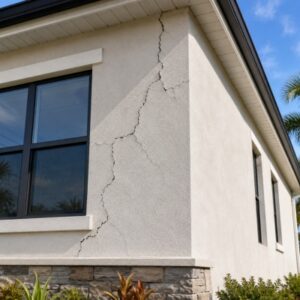
A construction project may have been completed months or even years ago when a Florida contractor receives a Chapter 558 notice alleging defective work. The notice might identify water intrusion, cracking stucco, roofing problems, building envelope issues or another condition the property owner claims resulted from defective construction.
Receiving a Chapter 558 construction defect notice can trigger important deadlines and decisions for a contractor. Before responding to the allegations or assuming a lawsuit is inevitable, it is important to understand Florida’s Chapter 558 pre-suit process.
Chapter 558 establishes procedures for certain Florida construction defect claims and gives the parties a right and opportunity to investigate alleged defects before litigation begins. For contractors, what happens after a notice arrives matters. There may be deadlines to address, an opportunity to inspect the property and decisions about whether subcontractors, suppliers, design professionals or insurance carriers need to be involved.
What Is a Construction Defect Under Florida Chapter 558?
Not every disagreement about a construction project is necessarily a construction defect claim.
Section 558.002, Florida Statutes, defines a construction defect to include certain deficiencies arising from the design, specifications, surveying, planning, supervision or construction, repair, alteration or remodeling of real property.
The statute addresses deficiencies involving materials or components, certain building code violations, design that does not meet applicable professional standards and construction that does not meet accepted trade standards for good and professional construction. For a contractor receiving a claim, understanding exactly what is being alleged is the first step in determining how to respond.
What Is a Chapter 558 Notice of Claim in Florida?
Before filing an action involving an alleged construction defect, a claimant generally must provide written notice under Section 558.004, Florida Statutes. For most claims, the notice must be served at least 60 days before filing an action. Different timing applies to an association representing more than 20 parcels.
The notice must describe the alleged construction defects in reasonable detail and identify their location sufficiently for the responding parties to find them without undue burden. For the contractor receiving it, a Chapter 558 notice is not routine correspondence. It signals the beginning of a formal pre-suit process with deadlines and opportunities that should be taken seriously.
Does Chapter 558 Apply to Every Florida Construction Defect Claim?
Chapter 558 applies to certain claims involving alleged construction defects, but contractors should not assume that every dispute arising from a construction project falls within the statute.
The nature of the alleged defect, the parties involved, the property and the relief being sought may all affect how the claim should be handled.
When a contractor receives a notice referring to Chapter 558, one of the first steps should be determining what the claimant alleges, whether the statutory process applies and what obligations or opportunities the notice creates.
What Are the Deadlines After Receiving a Chapter 558 Notice in Florida?
Deadlines are an important part of the Chapter 558 process. The statute establishes time periods for various stages of a construction defect claim, including the claimant’s pre-suit notice and procedures that may apply to inspections, forwarding the notice to other potentially responsible parties and responding to the claim.
The applicable timeline can depend on the circumstances of the claim. Contractors should therefore identify relevant deadlines as soon as a Chapter 558 notice is received rather than waiting until the investigation is underway. Missing a deadline may affect how the contractor is able to participate in the pre-suit process.
What Should a Florida Contractor Do After Receiving a Chapter 558 Notice?
Start by reviewing exactly what is being claimed. Which portions of the project are involved? Who performed that work? What do the contract documents say?
The construction contract, subcontracts, plans, change orders, photographs, inspection reports, daily records and project communications may all become important when evaluating a Florida construction defect claim.
The contractor should also identify subcontractors, suppliers or design professionals whose work may be connected to the alleged defect. Chapter 558 includes procedures for forwarding the notice to parties reasonably believed to be responsible for a particular defect, subject to statutory deadlines.
Insurance should also be considered early. Receiving a Chapter 558 notice does not relieve a contractor of any separate obligation to notify an insurance carrier as required by an applicable policy. Most importantly, do not wait for a lawsuit to begin investigating the claim.
Can a Contractor Inspect the Property After Receiving a Chapter 558 Notice?
Yes. One of the most useful parts of the Chapter 558 process is the opportunity to inspect the alleged defect before litigation begins.
Section 558.004 provides a procedure for the recipient of a notice to conduct a reasonable inspection of the property. In appropriate circumstances, the statute also addresses destructive testing when additional investigation is necessary. An inspection allows the contractor and appropriate consultants to see the claimed condition firsthand and document what exists on the property. It can also begin answering a much harder question:
What actually caused the problem?
The location of damage does not necessarily establish its cause, and the existence of a defect does not automatically establish which party is responsible.
What Does a Chapter 558 Construction Defect Claim Look Like in Practice?
 Suppose a contractor completes a commercial building. Several months later, the owner discovers water intrusion around a group of exterior windows and serves a Chapter 558 notice alleging defective construction.
At first glance, the problem may appear straightforward: water is entering around the windows. But consider what may be involved. The general contractor coordinated the project. A subcontractor installed the windows. Another company supplied waterproofing materials. Other trades built the building envelope, and the work followed plans and specifications prepared by design professionals.
So where is the water actually coming from? The answer may involve the window installation, surrounding waterproofing, another portion of the building envelope, a product issue, the design or a combination of conditions. That is precisely why contractors should resist drawing conclusions about responsibility when a Chapter 558 notice arrives. The notice identifies the claim. The investigation helps identify the cause.
For the contractor, the pre-suit period provides an opportunity to review project records, identify the parties whose work may be involved and inspect the conditions before deciding how to respond.
How Should a Florida Contractor Respond to a Chapter 558 Notice?
After investigating the alleged defect, the contractor can evaluate the available options. Depending on the circumstances, a response may dispute the claim, offer to remedy the alleged defect, propose a monetary settlement or take another position permitted under Chapter 558.
The statute also provides important protection during this process. An offer, or the failure to make an offer, to remedy an alleged defect or settle the claim does not itself constitute an admission of liability. Generally, it is not admissible in a later action under Chapter 558.
No single response is right for every construction defect claim. The appropriate course depends on the alleged condition, the project documents, what the inspection reveals, and which parties may ultimately bear responsibility.
Can a Florida Chapter 558 Claim Be Resolved Before a Lawsuit?
Yes. That is an important purpose of the Chapter 558 pre-suit process. Chapter 558 gives the parties time to investigate what happened and determine whether they can address the dispute before litigation or arbitration becomes necessary.
Some construction defect claims may be resolved through repairs or settlement. Others involve genuine disagreements about causation, responsibility, the scope of necessary repairs or the amount of damages. Even when the parties cannot resolve the claim, the work performed during the Chapter 558 process can provide valuable information if litigation follows.
Florida law generally requires compliance with the Chapter 558 pre-suit process before an action subject to the chapter proceeds. Section 558.003, Florida Statutes, addresses what may occur when an action is filed before those requirements have been satisfied.
What Mistakes Should Contractors Avoid During the Chapter 558 Process?
Ignoring the notice is an obvious mistake. Reacting too quickly can be another. A contractor should avoid assuming responsibility before investigating the alleged defect. Statements made before the facts are known can complicate the dispute later.
Waiting to gather project records can also create problems. Documents, photographs, emails and other project information may become critical when reconstructing what occurred months or years after the work was completed.
Contractors should also consider whether other project participants or insurance carriers need to receive notice promptly. The time to organize the facts and understand the claim is when the Chapter 558 notice arrives, not after litigation begins.
What Florida Contractors Should Know About Chapter 558 Claims
Receiving a Chapter 558 notice does not establish that a contractor caused a construction defect. It means a construction defect claim has reached a point that requires attention.
Florida’s Chapter 558 pre-suit process gives contractors an opportunity to understand what is being alleged, inspect the property, review project records and determine which parties or conditions may be involved before litigation begins.
For contractors, that opportunity can be valuable. A careful early investigation can clarify the claim and help the contractor make informed decisions about what comes next.
If you have received a Chapter 558 notice or have questions about a Florida construction defect claim, I may be reached at aaron.haak@henlaw.com to schedule a consultation.