 Skip to Content


What Florida Contractors Need to Know About Change Orders and Extra Work
 By: Aaron Haak, Esq., Florida Board Certified Construction Attorney
Few Florida construction projects are completed without changes.
An owner requests additional work. Plans are revised. Unforeseen conditions are discovered. A subcontractor encounters work outside the original scope. The work may need to move quickly, but the paperwork doesn’t always keep pace.
Problems resulting from changes during performance often arise later, when the contractor invoices for the additional work and the owner responds:
“I thought that was included in the contract.”
Change orders and extra work are frequent sources of construction disputes. Florida contractors can reduce that risk by understanding what their contracts require and documenting changes before performing additional work whenever possible.
What Is a Construction Change Order?
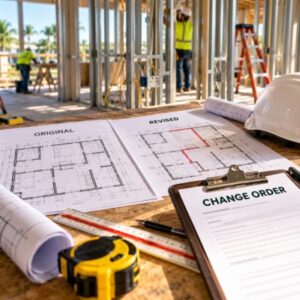
A change order documents an agreed upon change to the original construction contract. It may address additional or deleted work, revised materials, changes to the contract price, additional time or other modifications to the original agreement.
The construction contract should establish how changes are approved, who has authority to approve them and what documentation is required. That process matters because a contractor’s right to additional compensation or time to perform work may depend on the contract and whether change-order procedures were followed.
Do Construction Change Orders Have to Be in Writing in Florida?
The first place a contractor should look is the construction contract. Many contracts require written authorization before extra work begins. Contractors should understand those requirements before proceeding with work and presuming that a conversation in the field is enough to authorize additional work or payment.
Written change orders also provide a practical record of what the parties agreed to. They should identify the revised scope and, when appropriate, address additional costs and changes to the project schedule. Without that documentation, the parties may remember the same conversation very differently when the invoice arrives.
What If the Owner Verbally Approves Extra Work?
On an active construction project, an owner or project representative may ask a contractor to make a change immediately. Waiting for formal paperwork can seem unnecessary when everyone agrees about what needs to be done.
But contractors should not assume a verbal instruction overrides the written contract. If the contract requires written authorization, performing extra work without following that process can create a dispute over whether the work was properly approved and whether additional compensation is due. Often a dispute centers on whether or not a full agreement was reached on scope, time and price.
When work must proceed quickly, contractors should document what was requested, who authorized it, why the additional work was necessary, the anticipated cost and any effect on the project schedule. Emails, text messages, photographs, daily reports, revised plans and cost records may become important evidence if a dispute develops.
Can a Florida Contractor Get Paid for Extra Work Without a Signed Change Order?
The answer may depend on the contract and the circumstances surrounding the additional work. The absence of a signed change order can raise several questions:
- What does the contract require?
- Who requested the work?
- Did that person have authority to approve it?
- What communications occurred before the work was performed?
- How did the parties handle other changes during the project?
Contractors should not assume that performing additional work automatically guarantees additional payment. When a significant extra-work claim is disputed, review the contract and project documentation carefully to determine what rights and remedies may be available.
Who Can Approve a Construction Change Order?
Not everyone involved with a project necessarily has authority to change the contract. A superintendent, architect, property manager or employee may give instructions in the field, but that does not necessarily mean the person has contractual authority to approve additional compensation. Contractors should know who can authorize changes before relying on instructions that affect the scope, price or schedule.
What Should Contractors Document?
A change order should clearly establish what work is being added, deleted or modified. Depending on the project, it should also address:
- the reason for the change;
- the additional or reduced cost;
- whether additional time is required;
- any change to the completion date; and
- who approved the change.
Contractors should also maintain supporting documentation such as emails, photographs, revised drawings, daily reports, invoices, receipts and labor records.
Consider This Scenario
 The owner asks a contractor renovating a commercial property to change the interior layout. The revisions require additional framing, electrical work and materials. The owner tells the contractor to proceed so the project stays on schedule, but no one signs a written change order.
Weeks later, the contractor invoices for the additional work. The owner disputes the charge, arguing that the work was included in the original contract price. The contractor must now establish what was requested, who authorized it, what the parties understood about the cost and whether the contract’s change-order procedures were followed. Documenting those issues before the additional work began could have helped prevent the dispute.
The Bottom Line
Changes are a normal part of construction. Problems often develop when the work changes but the documentation does not. Florida contractors should understand their contract’s change-order requirements before performing additional work and consider both the cost and schedule implications of a change. When work must move quickly, documenting what happened and who authorized it becomes especially important.
The best time to address a change-order issue is when everyone still agrees about what needs to be done, not when the final invoice arrives.
If you have questions about Florida construction contracts, change-order disputes, extra work claims or other construction law matters, I may be reached at aaron.haak@henlaw.com to schedule a consultation.